

Australian businesses are facing a genuine fork in the road when it comes to business telephony. Stick with the proven reliability of on-premises PBX hardware, or make the move to a cloud phone system that scales with your team and works wherever your people are? It's not a simple call.
The right answer depends on your internet reliability, IT resources, budget structure, data requirements, and how fast you expect to grow. To help you cut through the options, we've compared leading solutions across both categories: cloud-hosted UCaaS platforms and modern on-premises PBX systems. Whether you're running a multi-site enterprise, a growing SMB, or a distributed team across Australia, there's a fit here for you.
1. PlanetComms
Best for: Australian businesses wanting expert, vendor-agnostic UCaaS consulting and end-to-end implementation support.
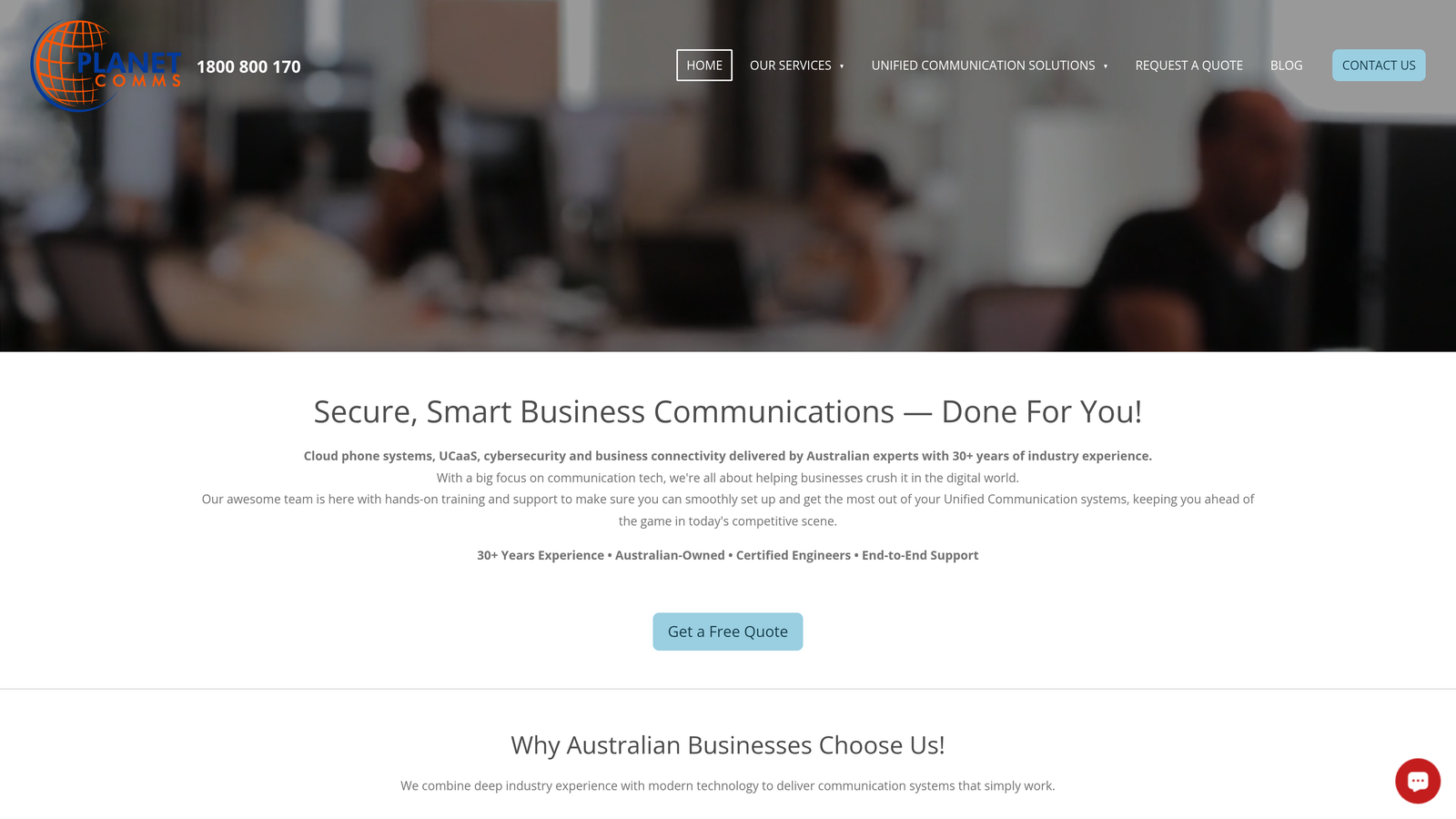
PlanetComms is an Australian UCaaS provider offering consulting, installation, and ongoing support across multiple leading telephony platforms.
Where This Tool Shines
What sets PlanetComms apart from every other entry on this list is that it's not tied to a single product. Rather than selling you one platform and fitting your business around it, PlanetComms takes a vendor-agnostic approach: assessing your requirements first, then recommending the right solution from a portfolio that includes RingCentral, 3CX, Yeastar, and Avaya.
For Australian businesses, the local expertise matters enormously. PlanetComms provides Australia-wide coverage with a team that understands the realities of NBN connectivity, SIP trunking requirements, and the compliance considerations relevant to local industries. From initial scoping through to physical installation, data cabling, and post-deployment support, the entire lifecycle is handled in one place.
Key Features
Vendor-Agnostic Platform Selection: Partners with RingCentral, 3CX, Yeastar, and Avaya to match the right solution to your specific needs.
End-to-End Service Delivery: Covers consulting, system design, installation, and ongoing technical support under one roof.
SIP Trunking and Connectivity: Provides SIP services, NBN/fibre internet, and data and electrical cabling to support any telephony deployment.
Video Conferencing Solutions: Includes video conferencing in its service scope, supporting modern hybrid work requirements.
Australia-Wide Coverage: Local expertise and nationwide reach, making it suitable for businesses with multiple sites across different states.
Best For
Businesses that want a trusted local partner to guide the decision-making process, not just sell a product. Particularly valuable for organisations upgrading from legacy PBX, deploying across multiple sites, or navigating the cloud vs. on-premises decision for the first time.
Pricing
Custom quotes based on solution scope and platform selection. Contact PlanetComms directly for a tailored proposal that reflects your specific business requirements.
2. RingCentral
Best for: Growing businesses wanting an all-in-one cloud communications platform with deep integrations.
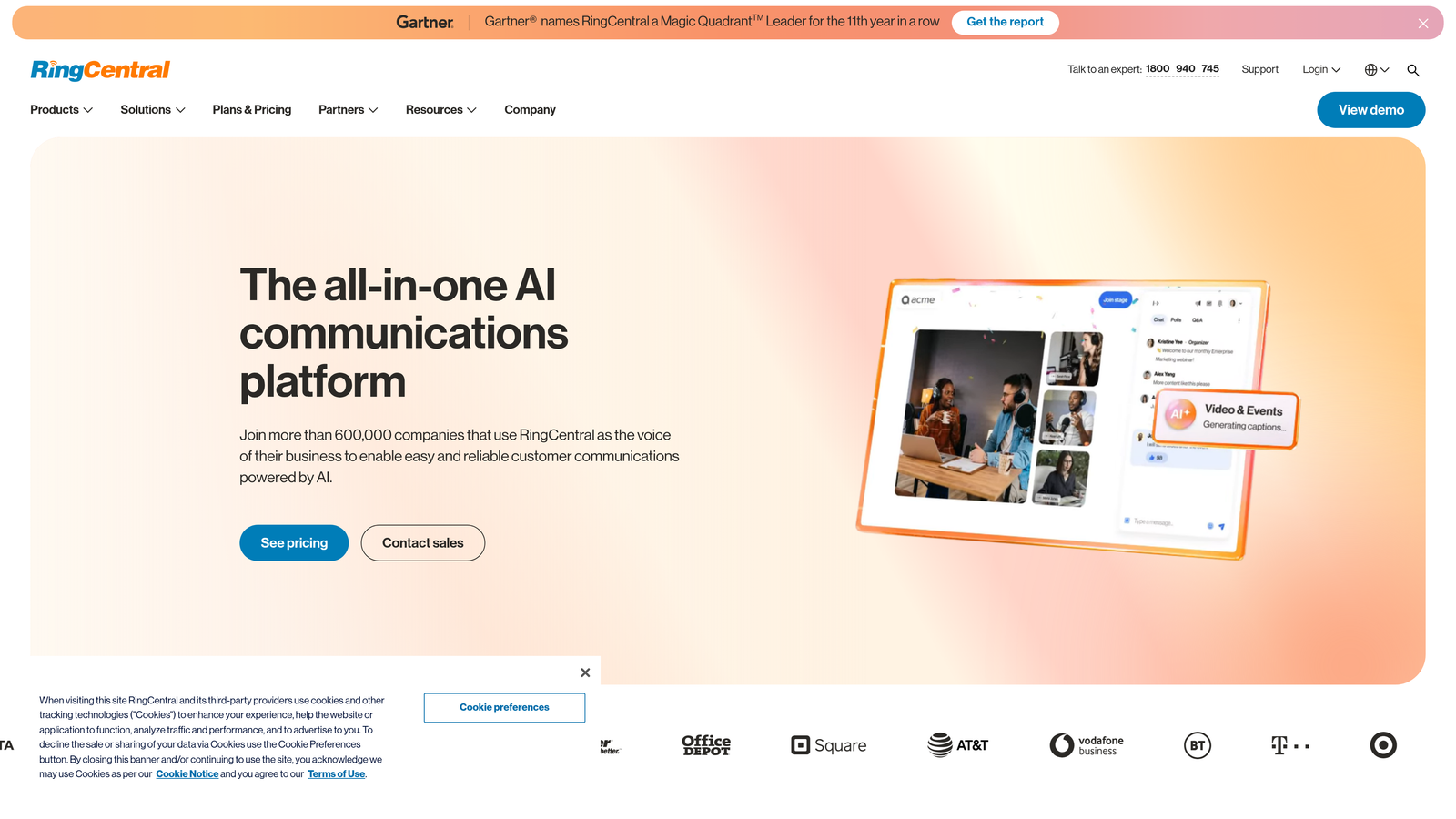
RingCentral is a leading global cloud UCaaS platform combining voice, video, messaging, and contact centre capabilities in a single subscription.
Where This Tool Shines
RingCentral is one of the most mature cloud UCaaS platforms on the market, and its integration ecosystem is genuinely impressive. If your team lives in Salesforce, Microsoft 365, or Google Workspace, RingCentral connects directly into those workflows rather than sitting as a separate tool.
For Australian businesses managing remote or hybrid teams, the mobile and desktop apps make it easy for staff to take calls on any device, from any location, without needing a desk phone. AI-powered features like call transcription and analytics add operational value beyond basic telephony.
Key Features
All-in-One Cloud Communications: Voice, video, SMS, and team messaging unified in a single platform and subscription.
Extensive Integration Ecosystem: Native integrations with Salesforce, Microsoft 365, Google Workspace, and hundreds of other business applications.
AI-Powered Analytics: Call transcription, sentiment analysis, and reporting tools to improve team performance and customer interactions.
Australian Local Numbers: Supports Australian local and national numbers with international calling capabilities.
Mobile and Desktop Apps: Full-featured apps for iOS, Android, Windows, and Mac, keeping remote and hybrid teams connected.
Best For
Mid-size to large Australian businesses that want a feature-rich cloud platform with strong integration capabilities. Particularly well-suited to organisations with distributed teams or customer-facing operations that benefit from analytics and CRM connectivity.
Pricing
Tiered subscription plans are available. Check ringcentral.com/au for current Australian pricing, or speak with PlanetComms as a local RingCentral partner.
3. 3CX
Best for: Businesses wanting genuine deployment flexibility: on-premises, private cloud, or fully hosted.
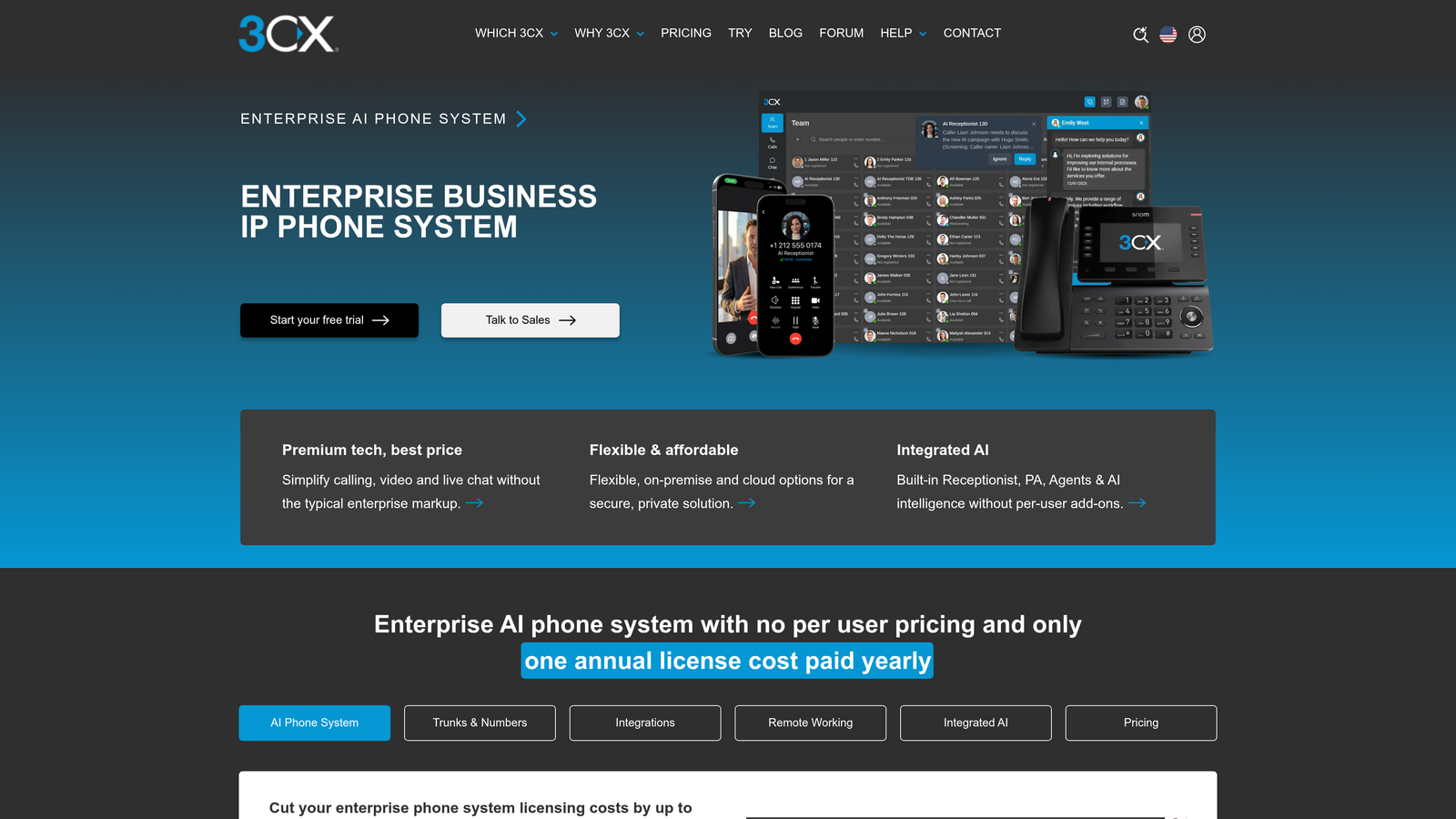
3CX is an open-standards software PBX that can be deployed in multiple ways, giving businesses real control over how and where their phone system runs.
Where This Tool Shines
3CX is the rare platform that genuinely sits across both the cloud and on-premises worlds. You can run it on your own hardware, host it in a private cloud environment, or use the fully managed hosted service, and you can change your mind later without switching platforms entirely. That flexibility is valuable when your infrastructure needs are still evolving.
The browser-based WebRTC calling is a practical advantage: users can make and receive calls from a web browser without installing additional software. For small teams, the free tier makes 3CX an accessible entry point with no upfront commitment.
Key Features
Flexible Deployment Options: Deploy on-premises (Windows or Linux), in a private cloud, or as a fully hosted service from 3CX.
WebRTC Browser-Based Calling: Make and receive calls directly from a web browser, no additional client software required.
Free Tier for Small Teams: A genuinely functional free plan makes it accessible for small businesses to start without upfront cost.
Built-In Video and Live Chat: Video conferencing and website live chat are included natively, not sold as add-ons.
SIP Compatibility: Works with a wide range of SIP desk phones and SIP trunks, including those provided by Australian carriers.
Best For
SMBs and mid-market businesses that want deployment flexibility without being locked into a single vendor's infrastructure. Also well-suited to IT-capable teams that want to manage their own PBX environment while retaining the option to migrate to hosted later.
Pricing
A free tier is available for small teams. Paid plans are based on simultaneous calls rather than per-user seats. Visit 3cx.com for current plan details.
4. Yeastar
Best for: Businesses that want on-premises hardware reliability with cloud-based management convenience.
Yeastar is a specialist in IP PBX hardware that bridges the gap between traditional on-premises telephony and modern cloud management.
Where This Tool Shines
Yeastar's P-Series PBX appliances are a strong option for businesses that want the resilience of local hardware, where calls keep working even if the internet goes down, but also want the convenience of managing their system through a cloud-based dashboard. It's a hybrid approach that suits many Australian businesses sitting on the fence between full cloud migration and staying fully on-premises.
The platform also handles low-bandwidth and inconsistent internet environments better than pure cloud solutions, which is a genuine consideration for businesses in regional Australia where connectivity can still be unpredictable.
Key Features
P-Series On-Premises PBX: Dedicated hardware appliances that process calls locally, independent of internet connectivity.
Cloud-Based Management Portal: Administer the system remotely through a cloud dashboard without needing on-site IT access.
Built-In Video and CRM Integration: Video meetings, CRM connectivity, and call centre features are included in the platform.
Scalable Architecture: Supports small single-site offices through to multi-site enterprise deployments.
Resilience in Low-Bandwidth Environments: Local call processing continues to function during internet outages or degraded connectivity.
Best For
Australian SMBs and multi-site businesses that need reliable local call processing but want modern cloud management. Particularly relevant for businesses in regional areas or those with connectivity concerns.
Pricing
Hardware purchase plus an optional subscription for advanced cloud management features. Contact a Yeastar reseller such as PlanetComms for current pricing based on your site configuration.
5. Avaya
Best for: Enterprises with existing Avaya infrastructure seeking a supported migration path to cloud or modern on-premises.
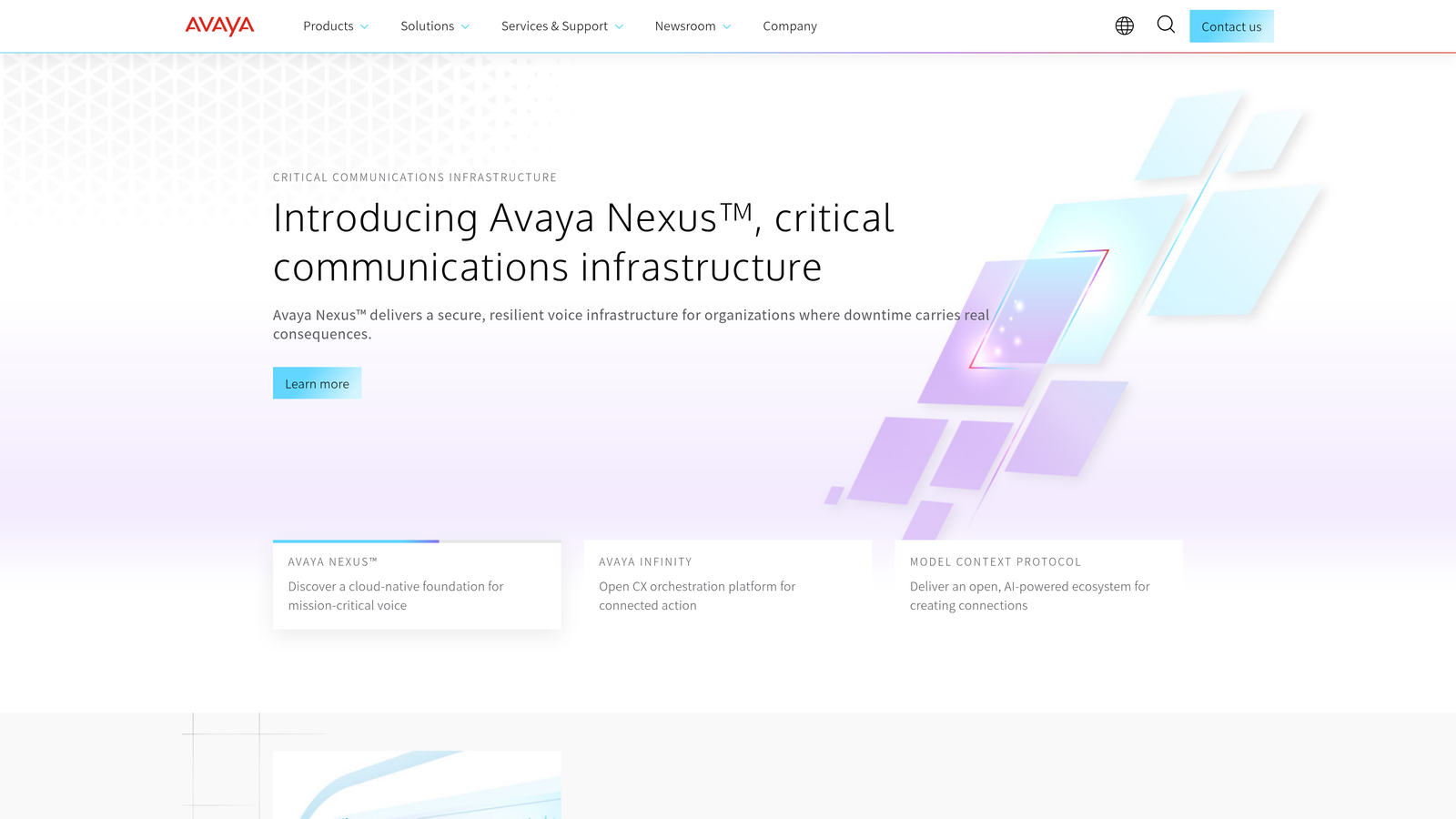
Avaya is a long-established enterprise communications vendor offering both on-premises and cloud telephony platforms with a focus on large-scale deployments.
Where This Tool Shines
Avaya's strength is its depth in enterprise environments. The IP Office platform scales from SMB to mid-enterprise, while Avaya Aura handles the demands of large, complex organisations requiring unified communications at scale. For businesses already running Avaya hardware, the migration pathway to Avaya Cloud Office provides a way to modernise without ripping out existing infrastructure entirely.
Contact centre integration is another area where Avaya has historically been strong, making it a relevant option for organisations with significant inbound call handling requirements.
Key Features
Avaya IP Office: Scalable on-premises PBX platform suited to SMB through mid-enterprise deployments.
Avaya Aura: Enterprise-grade unified communications platform for large, complex organisations.
Avaya Cloud Office: Hosted cloud option providing a modernisation path for existing Avaya customers.
Contact Centre Integration: Deep capabilities for organisations managing high-volume inbound and outbound calling.
Australian Enterprise Presence: Established track record in the Australian enterprise and government market.
Best For
Large enterprises and organisations with existing Avaya infrastructure that need a supported upgrade or migration path. Also relevant for businesses with complex contact centre requirements. Verify current product availability with an Avaya partner given recent changes to the company.
Pricing
Varies significantly by deployment model, scale, and licensing structure. Engage an Avaya partner such as PlanetComms for a scoped quote.
6. Microsoft Teams Phone
Best for: Organisations already using Microsoft 365 that want to consolidate their phone system into Teams.
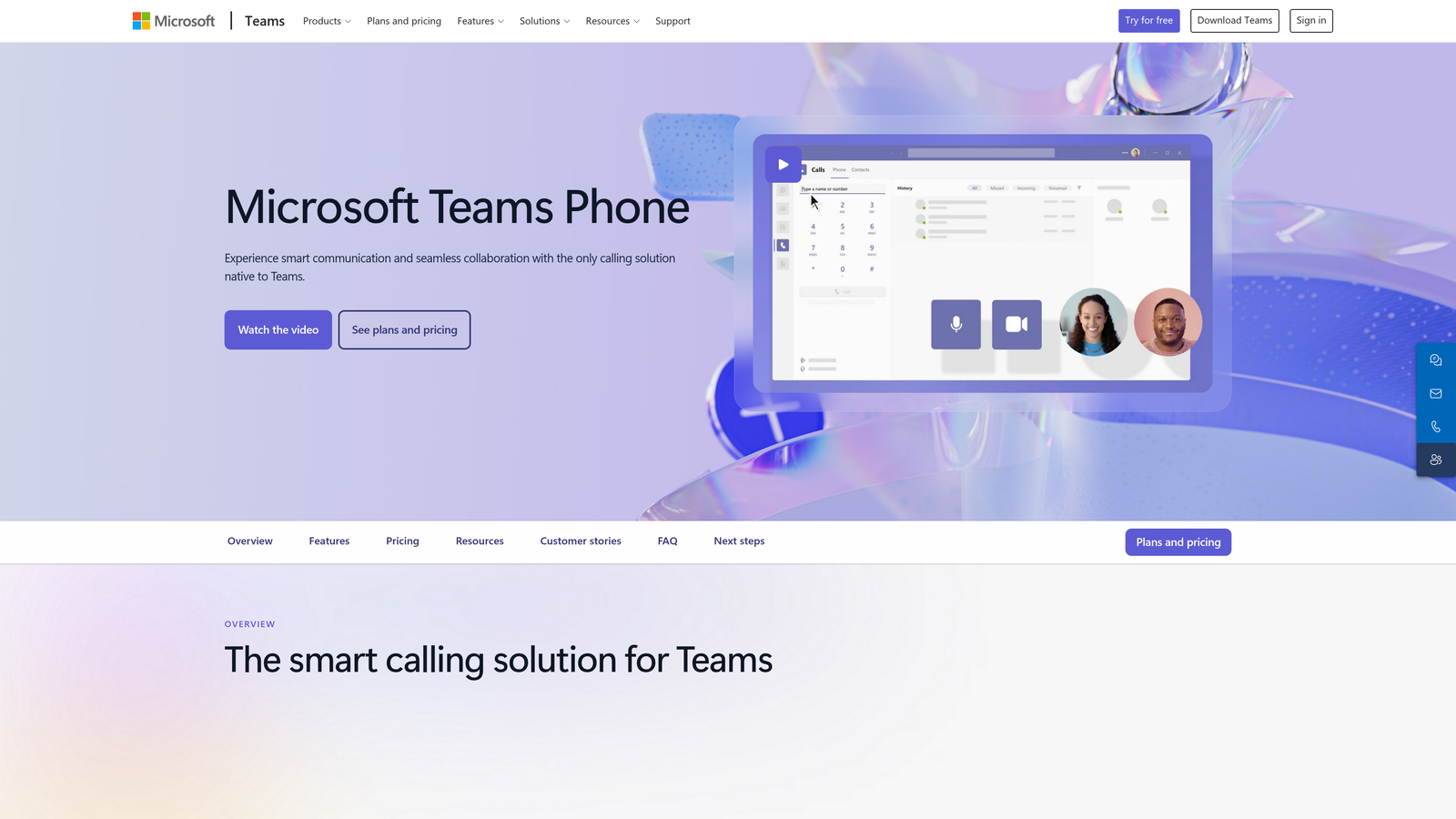
Microsoft Teams Phone is a cloud calling add-on that transforms Microsoft Teams into a full business phone system with PSTN connectivity.
Where This Tool Shines
If your organisation is already deeply invested in Microsoft 365, Teams Phone is the most natural consolidation move available. Rather than running a separate phone system alongside Teams, you bring PSTN calling directly into the platform your team already uses for chat, meetings, and file sharing. The reduction in context-switching and tool sprawl is a genuine productivity benefit.
The Operator Connect and Direct Routing options give Australian businesses flexibility in how they connect to the PSTN, with multiple local carrier options available to provide competitive call rates.
Key Features
Native PSTN Calling in Teams: Make and receive external calls directly within the Microsoft Teams interface, no separate app required.
Operator Connect and Direct Routing: Connect to Australian carriers of your choice for PSTN access and competitive call pricing.
Unified Collaboration Platform: Phone calls, chat, meetings, and file sharing all within a single Microsoft 365 environment.
Auto Attendants and Call Queues: Enterprise telephony features including IVR menus, call queues, and voicemail included.
Cross-Device Compatibility: Works on desktop, mobile, and browser, keeping teams connected from any device.
Best For
Organisations with an existing Microsoft 365 investment that want to simplify their technology stack. Less compelling for businesses not already using Microsoft 365, where the total cost of the ecosystem may not be justified by telephony needs alone.
Pricing
Teams Phone is an add-on licence to a qualifying Microsoft 365 subscription. Visit microsoft.com/en-au for current Australian plan pricing.
7. Cisco Unified Communications Manager (CUCM)
Best for: Large enterprises requiring maximum security, control, and customisation in an on-premises environment.
Cisco Unified Communications Manager is Cisco's enterprise-grade on-premises call processing platform, widely deployed in large Australian organisations.
Where This Tool Shines
CUCM is the benchmark for enterprise on-premises telephony. It's the platform of choice in Australian government agencies, financial institutions, and healthcare organisations where data sovereignty, security controls, and system reliability are non-negotiable. When calls and communications data must stay on-site and under direct organisational control, CUCM delivers that in a way few platforms can match.
The depth of integration with Cisco's broader hardware ecosystem, including networking, security, and endpoint devices, means organisations already invested in Cisco infrastructure get a tightly integrated communications environment.
Key Features
Enterprise On-Premises Call Control: Industry-standard call processing platform for large, complex organisational environments.
Cisco Hardware Integration: Deep compatibility with Cisco networking, security, and endpoint device ecosystems.
High Availability Configurations: Redundancy and failover options designed to meet enterprise uptime requirements.
Granular Security and Compliance Controls: Detailed security policies and audit capabilities suited to regulated industries.
Cisco Webex Migration Path: Cisco's cloud platform, Webex, provides a supported path for organisations ready to move workloads to the cloud.
Best For
Large enterprises, government agencies, and organisations in regulated industries where data sovereignty, security, and on-premises control are primary requirements. Requires Cisco-certified IT staff or an experienced partner for deployment and management.
Pricing
Enterprise licensing with significant upfront investment. Requires engagement with a Cisco-certified partner for accurate scoping and pricing.
8. Vonage Business Communications
Best for: Sales teams and customer-facing businesses needing communications embedded in CRM and business workflows.
Vonage Business Communications is a cloud phone system with a strong API platform and native CRM integrations, designed for businesses where communications and customer data need to work together.
Where This Tool Shines
Vonage's differentiator is its API layer. Through the Vonage API platform (formerly Nexmo), businesses can build custom communication workflows that go well beyond standard telephony: automated SMS notifications, click-to-call from CRM records, programmatic call routing, and more. For businesses with development resources, this opens up a level of customisation that most UCaaS platforms don't offer out of the box.
The native Salesforce and HubSpot integrations also make Vonage a practical choice for sales-driven organisations that want calls logged, recorded, and analysed directly within their CRM without manual data entry.
Key Features
Cloud Voice, Video, and Messaging: Unified communications across all channels in a single cloud platform.
Native CRM Integrations: Direct integrations with Salesforce and HubSpot for automatic call logging and contact management.
Vonage API Platform: Programmable communications for custom workflows, automated messaging, and embedded calling experiences.
Call Recording and Analytics: Built-in recording, reporting, and performance analytics for team and individual review.
Australian Local Number Support: Australian numbers available with local and international calling capabilities.
Best For
Sales teams, contact centres, and customer-facing businesses that need communications tightly integrated with CRM systems. Also well-suited to development teams wanting to build custom communication workflows using the Vonage API.
Pricing
Tiered monthly subscription plans. Visit vonage.com for current Australian pricing details.
9. Grandstream UCM Series
Best for: Small businesses wanting affordable, reliable on-premises IP PBX without a large hardware investment.
Grandstream produces the UCM series of IP PBX appliances, offering small businesses a cost-effective entry into on-premises telephony with a manageable setup process.
Where This Tool Shines
Grandstream UCM appliances punch well above their price point. The web-based management interface means you don't need a dedicated telephony engineer to configure and maintain the system, which is a real advantage for small businesses without in-house IT staff. Core features like IVR, call recording, conference bridge, and call queues are all included without additional licensing fees.
For small offices that need reliable local call control, don't want to pay ongoing cloud subscription fees, and have consistent SIP trunking available, the UCM series is one of the most practical on-premises options at this price level.
Key Features
Affordable Hardware Appliances: The UCM6200 and UCM6300 series offer on-premises IP PBX at accessible price points for small businesses.
SIP Trunking Support: Connects to the PSTN via SIP trunks from Australian providers, including PlanetComms SIP services.
Built-In IVR, Conference Bridge, and Call Recording: Core telephony features included without additional licensing or subscription costs.
Web-Based Management Interface: Configure and administer the system through a browser, no specialist software or certifications required.
Broad SIP Phone Compatibility: Works with a wide range of SIP desk phones, giving businesses flexibility in endpoint selection.
Best For
Small businesses with up to a few dozen users that want reliable on-premises call control at a low upfront cost. Particularly suited to offices where internet connectivity is variable and local call processing resilience is valued.
Pricing
One-time hardware purchase. UCM appliances typically range from a few hundred to a few thousand AUD depending on capacity and model. No ongoing subscription required for core features.
Which Solution Is Right for Your Business?
There's no universally correct answer in the cloud phone system vs. on-premises PBX debate. The right choice comes down to four key variables: your internet reliability, your IT resources, your budget structure, and where your business is heading.
If you're a small business in a regional area with variable NBN connectivity, an on-premises option like Grandstream or Yeastar gives you call resilience that a pure cloud system can't guarantee. If you're a growing SMB with a distributed team and reliable fibre internet, a cloud platform like RingCentral or 3CX hosted will serve you far better with lower upfront cost and faster feature delivery.
For Microsoft 365 shops, Teams Phone is the obvious consolidation play. For enterprises in regulated industries where data sovereignty is a hard requirement, Cisco CUCM or Avaya Aura deliver the on-premises control that compliance demands. And for sales-driven businesses that live in their CRM, Vonage's API and integration depth is hard to match.
Here's the honest truth: most businesses make this decision based on what they already know, not what's actually best for their situation. A business that's always had an on-premises PBX defaults to replacing it with another one. A business that heard "cloud is the future" signs up for a platform without checking whether their internet can support it reliably.
The smarter approach is to get an independent assessment from a specialist who isn't tied to a single product. That's precisely where Learn more about our services at PlanetComms comes in: a vendor-agnostic team with local Australian expertise across cloud, on-premises, and hybrid deployments, covering everything from the initial recommendation through to installation, cabling, SIP trunking, and ongoing support.
Add comment
Comments